The Hidden Cost of “Good Enough” Refrigeration Compliance

When it comes to industrial refrigeration and PSM compliance, many facilities operate under a dangerous assumption:
“If we haven’t had a problem yet, we must be okay.”


Unfortunately, that mindset can become extremely expensive.


At Doubl-Kold, we regularly work with facilities that believed their compliance programs were “good enough” — until they faced an OSHA inspection, equipment issue, or emergency repair situation.


The reality is that refrigeration compliance is constantly evolving. Regulations surrounding Process Safety Management (PSM), Risk Management Programs (RMP), and ammonia refrigeration systems continue to tighten, especially as agencies place greater emphasis on prevention and documentation.


What worked five years ago may not be enough today.


One of the biggest areas where facilities fall behind is documentation. We often see outdated PNIDs, incomplete operating procedures, or missing Mechanical Integrity records that no longer reflect the current refrigeration system.

Even facilities under 10,000 pounds of ammonia can still face liability under OSHA’s General Duty Clause if hazards are not properly managed.


This is why “minimum compliance” can become costly compliance.


At Doubl-Kold, we take a different approach. Instead of overwhelming facilities with unnecessary reports or expensive overengineering, we focus on practical solutions built around your actual operation.


Our team helps businesses improve:

  • Mechanical Integrity programs
  • Process Hazard Analysis (PHA)
  • SOP and maintenance procedures
  • Corrosion inspection planning
  • Tier II reporting
  • Refrigeration system documentation


Because our team includes both refrigeration experts and licensed engineers, we’re able to identify efficient solutions that many compliance-only firms overlook.


That often translates into major cost savings.


We’ve seen facilities spend tens of thousands of dollars correcting issues that could have been addressed much earlier through proper planning and experienced guidance.


And unlike firms that simply provide templates, we build compliance programs around real operational needs.

That’s important because refrigeration systems are not identical. Every facility has unique demands, equipment layouts, and risk factors.


With over 80 years of combined experience, Doubl-Kold understands how to balance safety, compliance, efficiency, and budget—all at the same time.


The truth is, “good enough” compliance usually isn’t good enough for long.


If you want a smarter approach to refrigeration compliance and PSM support, give Doubl-Kold a call. We’re here to help your facility stay safe, efficient, and prepared for whatever comes next.

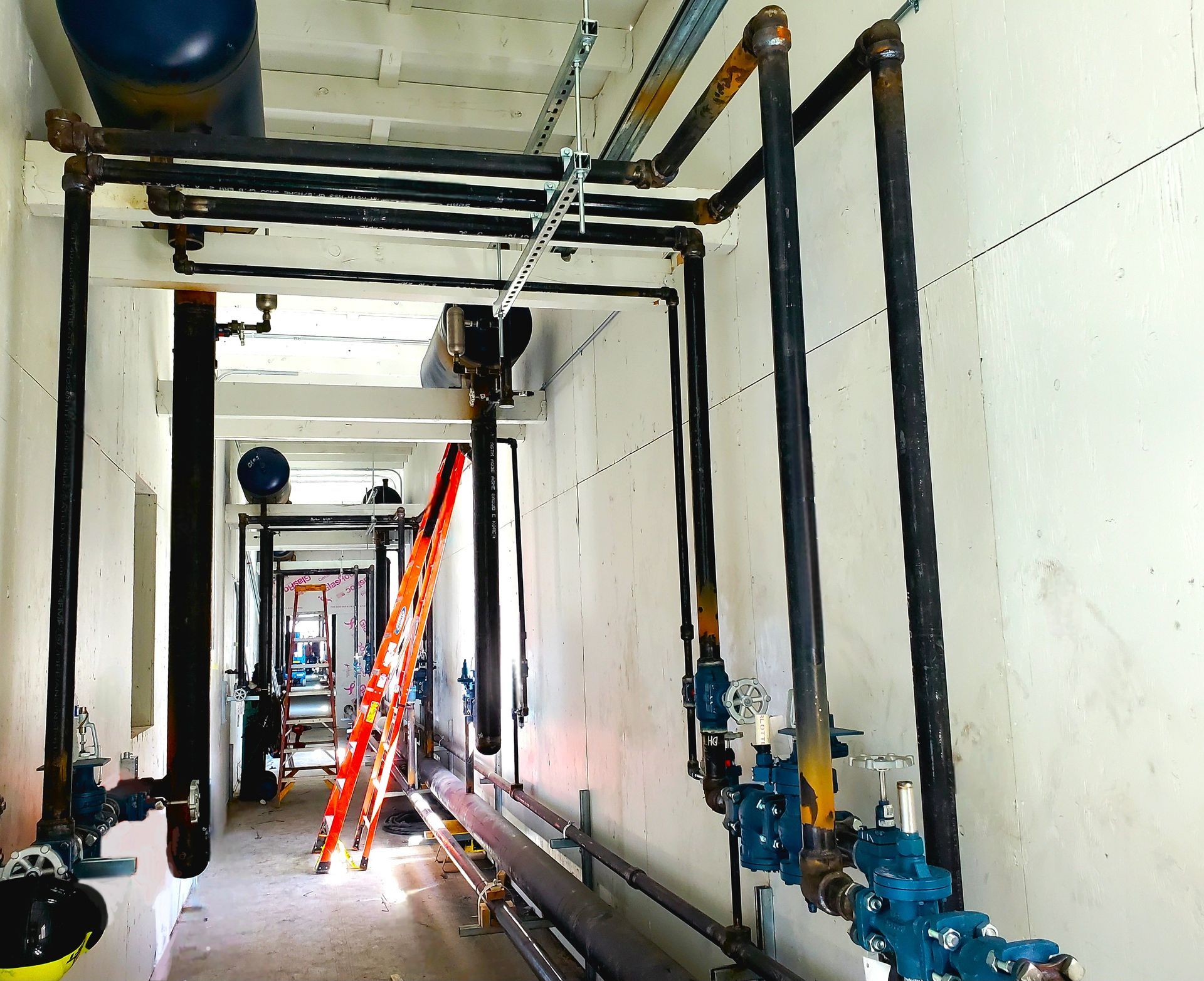
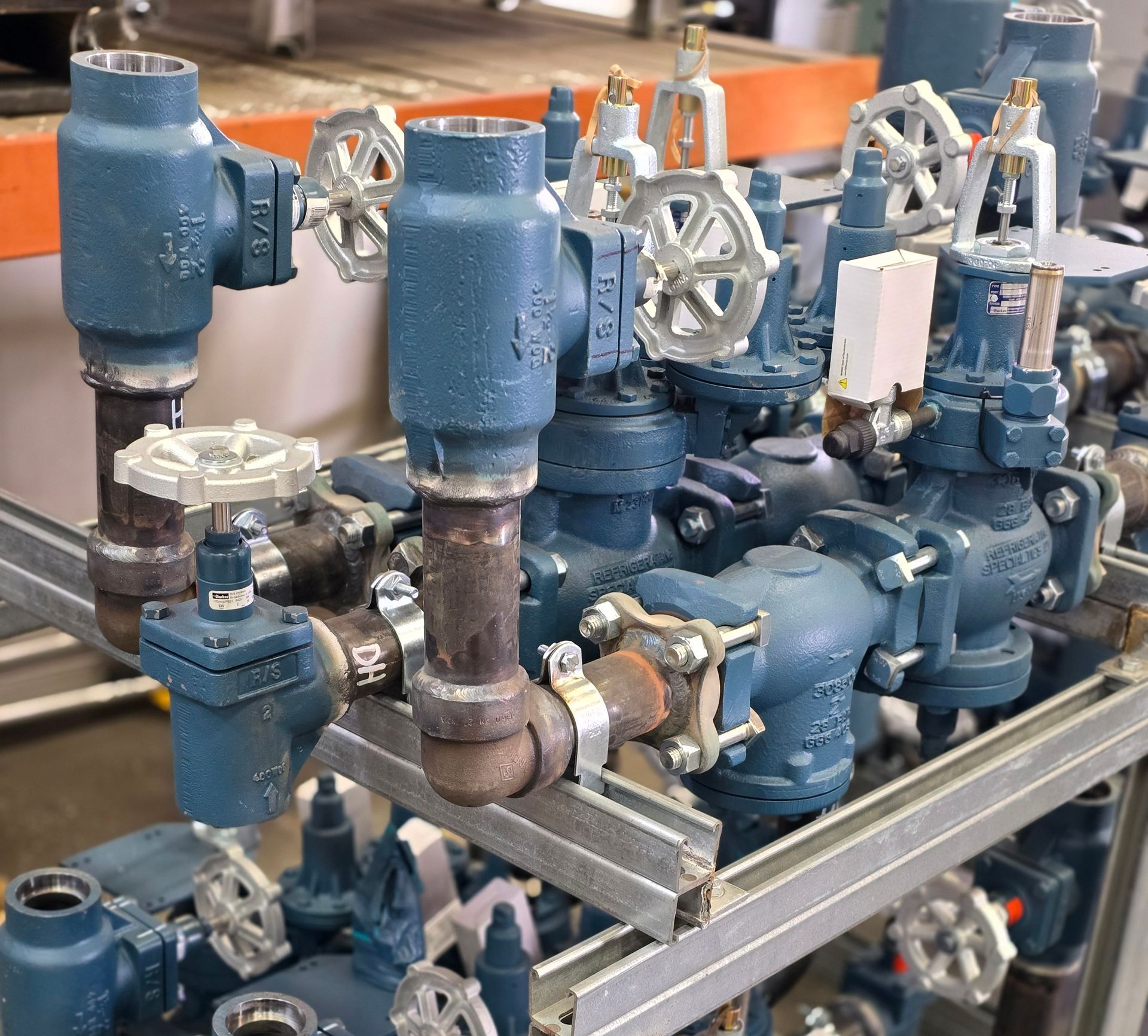
Blue industrial pipe valve assembly on a metal frame in a workshop or factory setting
By Kelly Martin May 10, 2026
As temperatures rise and facilities begin preparing for the busy summer season, May is one of the best times of year to evaluate your refrigeration systems and overall compliance strategy. At Doubl-Kold, we often tell clients that spring is the perfect window to get ahead of problems before peak operational demands arrive. For facilities using ammonia refrigeration systems , this is especially important. Increased summer workloads can expose weaknesses in equipment, documentation, and maintenance programs that may have gone unnoticed during colder months. That’s why May is an ideal time to review your Process Safety Management (PSM) program. A strong PSM program is built around prevention. It helps facilities identify risks before they turn into costly downtime, safety incidents, or regulatory violations. But many businesses only think about compliance when an audit or inspection is approaching. At Doubl-Kold, we help clients take a more proactive approach. Our team assists with: Process Hazard Analysis (PHA) Mechanical Integrity (MI) reviews Piping and Instrumentation Diagrams (PNID) Standard operating procedures (SLP/MIP) Corrosion inspections Tier II assistance RMP support through the EPA One area we encourage facilities to focus on in May is Mechanical Integrity . Winter weather and seasonal demand shifts can put additional stress on refrigeration equipment. Spring inspections help identify wear, corrosion, or maintenance gaps before summer temperatures increase system load. Another important area is documentation. Over time, refrigeration systems evolve through repairs, modifications, and operational changes. However, many facilities fail to update their procedures and diagrams to match those changes. Outdated documentation is one of the most common compliance issues we encounter. What makes Doubl-Kold different is our practical experience. Our team includes licensed engineers and refrigeration experts with over 80 years of combined experience . We understand how these systems actually operate—not just how they appear on paper. That experience allows us to create compliance strategies that are realistic, efficient, and often more cost-effective than larger national firms. In many cases, we help facilities identify unnecessary spending while improving compliance and operational safety at the same time. May is about preparation. The facilities that address issues now are the ones that avoid emergencies later.  If your refrigeration system or PSM program hasn’t been reviewed recently, give Doubl-Kold a call. We’ll help you head into summer with confidence.
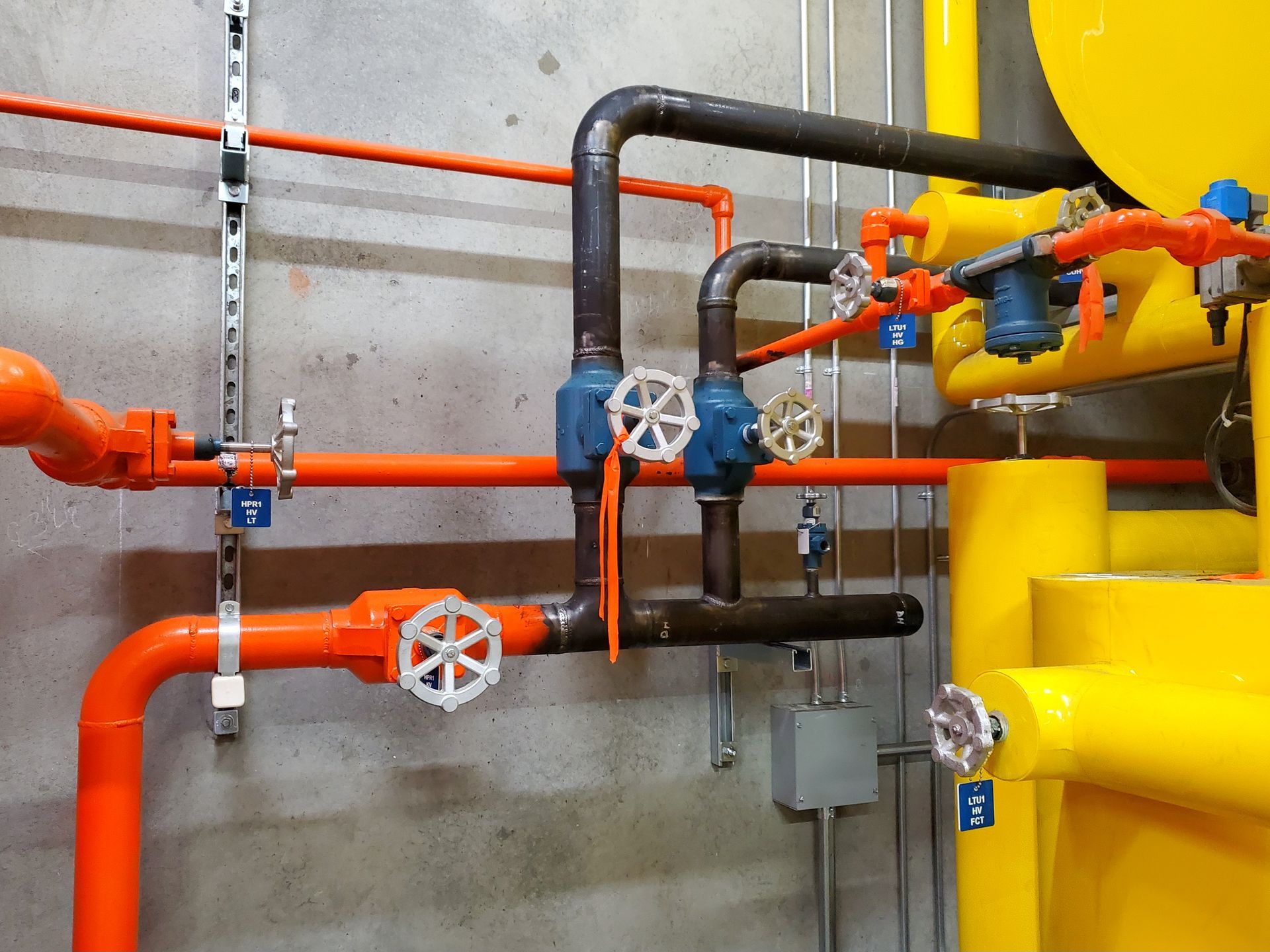
Industrial pipes and valves mounted on a wall, with bright orange, blue, and yellow piping.
By Kelly Martin April 18, 2026
As we move further into 2026, compliance expectations for industrial refrigeration systems are continuing to evolve. Between OSHA’s Process Safety Management (PSM) and the EPA’s Risk Management Program (RMP), facilities must stay ahead of changing requirements—or risk falling behind. PSM focuses on system safety and prevention, while RMP focuses on risk impact and emergency preparedness. Together, they create a comprehensive compliance framework. Facilities must maintain: Updated PNIDs Current PHAs Mechanical Integrity programs SOP/SLP/MIP documentation Training records Emergency response plans On top of that, Tier II reporting and other regulatory requirements continue to expand. The challenge isn’t just knowing what’s required—it’s managing it efficiently. That’s where Doubl-Kold provides real value. With licensed engineers and over 80 years of combined experience, we help facilities navigate compliance without overcomplicating the process. We streamline documentation, align programs with actual system operation, and identify areas where costs can be reduced. In many cases, our clients find they’re able to improve compliance while spending less than they would with larger competitors. Compliance isn’t going away—but it doesn’t have to be overwhelming. If you want a smarter, more efficient approach to PSM and RMP in 2026, give us a call.
Pile of shiny metal clips with screws, stacked closely together
By Kelly Martin April 5, 2026
When it comes to PSM compliance, Mechanical Integrity (MI) is one of the most overlooked—and most critical—components. It’s also where many facilities get into trouble. Mechanical Integrity ensures that your refrigeration system is physically capable of operating safely. This includes inspections, maintenance procedures, and documentation. One of the biggest risks? Corrosion. Corrosion can weaken piping, valves, and vessels over time—often without obvious signs until it’s too late. That’s why regular inspections, including 5-year MI reviews, are essential. At Doubl-Kold, we help facilities implement real MI programs—not just paperwork. We focus on: Corrosion inspection Equipment testing Maintenance tracking Documentation compliance We also ensure your MI program aligns with your PNIDs, PHA, and overall PSM framework. Too often, companies treat MI as a box to check. We treat it as a system that protects your operation. And because we understand system design and operation, we help you avoid unnecessary replacements—saving money while improving safety. If your Mechanical Integrity program hasn’t been reviewed recently, now is the time. Give us a call and let’s take a closer look before small issues become major problems.
A industrial view of yellow and orange pipes, valves, and metal fittings against a grey wall.
By Kelly Martin March 25, 2026
If there’s one part of Process Safety Management (PSM) you can’t afford to get wrong, it’s your Process Hazard Analysis (PHA). A PHA is designed to identify potential hazards in your system before they become incidents. But too often, facilities treat it like a checklist instead of a critical evaluation. A proper PHA should examine: System design Operating conditions Failure scenarios Human factors Maintenance procedures This isn’t something that should be templated or rushed. At Doubl-Kold, we approach PHA with real-world expertise. Our team understands how refrigeration systems operate—not just how they look on paper. That means we identify risks others might miss—and avoid recommending unnecessary changes that drive up costs. PHAs must also be updated every five years, making them closely tied to your Mechanical Integrity (MI) program. If your PHA is outdated, incomplete, or generic, it can put your entire PSM program at risk. We also ensure PHAs align with: RMP requirements General Duty Clause expectations Actual facility operations The goal isn’t just compliance—it’s protection. If your PHA hasn’t been reviewed recently, now is the time. Give Doubl-Kold a call and let’s make sure your system is evaluated the right way.
A pile of silver-colored metal roofing screws with hex washer heads and attached sealing washers.
By Kelly Martin March 8, 2026
One of the most common questions we hear is: “Do I need PSM if I’m under 10,000 pounds of ammonia?” The short answer? Not fully—but you’re far from exempt. While OSHA’s full Process Safety Management (PSM) requirements apply at 10,000 pounds, facilities below that threshold are still required to follow the General Duty Clause. This means you must: Identify hazards Maintain safe operating procedures Ensure proper equipment maintenance Prevent known risks In practice, many facilities still need to implement 70–80% of a PSM program, even if they are technically below the threshold. This includes maintaining: Updated PNIDs Basic Mechanical Integrity programs Standard operating procedures (SLP/MIP) Training documentation Ignoring these elements can lead to serious consequences—not just fines, but operational failures. At Doubl-Kold, we work with facilities on both sides of the threshold. We tailor compliance strategies so you’re not overbuilding—but also not leaving yourself exposed. This is where our experience matters. With over 80 years of combined expertise, we know what regulators expect—and what your system actually needs. We often help facilities avoid unnecessary compliance costs while still meeting expectations—something that larger firms don’t always prioritize. If you’re unsure where your facility stands, don’t guess. Give us a call and we’ll walk you through exactly what applies to you—and what doesn’t.
Four emergency responders in hazardous material suits and fire gear stand on a green tarp near stacks of warehouse pallets.
By Kelly Martin February 25, 2026
Ammonia refrigeration remains one of the most efficient and widely used solutions in industrial cooling. But with that efficiency comes responsibility—specifically, compliance with Process Safety Management (PSM) and Risk Management Program (RMP) requirements. In 2026, regulatory enforcement is increasing, and facilities using ammonia systems are under more scrutiny than ever. PSM compliance starts with understanding your system. This includes having accurate Piping and Instrumentation Diagrams (PNIDs), well-documented operating procedures, and a complete understanding of system risks through Process Hazard Analysis (PHA). Many facilities underestimate the importance of Mechanical Integrity (MI). This includes corrosion inspection, equipment testing, and the required 5-year MI review, which is one of the most commonly missed compliance elements. Even facilities under the 10,000-pound ammonia threshold are not exempt from responsibility. The General Duty Clause still applies, meaning you are expected to identify hazards and take action to prevent incidents. Doubl-Kold stands apart because we don’t just understand PSM—we understand refrigeration systems at a deep level. Our team includes licensed engineers and experienced technicians who work directly with ammonia systems every day. That means our recommendations are practical, efficient, and grounded in reality—not generic compliance templates. We also assist with Tier II reporting, RMP updates, and full compliance planning to ensure your facility is prepared for inspections and long-term operation. Most importantly, we help you do it efficiently. Our experience allows us to streamline compliance efforts, often helping clients reduce unnecessary costs while improving safety. If your ammonia system hasn’t been reviewed recently, now is the time. Give Doubl-Kold a call and let’s make sure your system is compliant, efficient, and built for the future.
By Kelly Martin February 8, 2026
If you’re searching for PSM assistance, you’re likely facing one of two situations: you’re preparing for an audit, or you’re realizing your current Process Safety Management (PSM) program isn’t where it needs to be. In 2026, that’s a risk you can’t afford to ignore. PSM, as defined by OSHA, is designed to prevent catastrophic releases of hazardous chemicals like anhydrous ammonia, which is widely used in industrial refrigeration. But the challenge isn’t understanding that PSM exists—it’s knowing how to implement it correctly. Many facilities assume PSM is just paperwork. In reality, it’s a system that touches every part of your operation—from Process Hazard Analysis (PHA) to Mechanical Integrity (MI) to standard operating procedures (SLP/MIP) and PNID documentation. Facilities over 10,000 pounds of ammonia are required to follow OSHA’s full 14-element PSM program. However, what many businesses don’t realize is that even those below 10,000 pounds still fall under the General Duty Clause, meaning they must still manage risk appropriately. That’s where experienced support matters. At Doubl-Kold, our team brings 80+ years of combined experience in industrial refrigeration and compliance—not just theory, but real-world application. We help facilities with: PHA facilitation Mechanical Integrity programs 5-year MI inspections PNID development and updates SOP/SLP/MIP documentation RMP coordination Unlike large compliance firms, we don’t take a one-size-fits-all approach. We evaluate your system and build a program that actually fits your operation. And because we understand both engineering and compliance, we often identify areas where facilities are overspending—helping clients potentially save thousands over competitors who push unnecessary upgrades or services. PSM isn’t getting easier. Regulations are tightening, and inspections are increasing. If you’re searching for real PSM assistance that makes sense for your facility, give us a call. Let’s get your system where it needs to be.
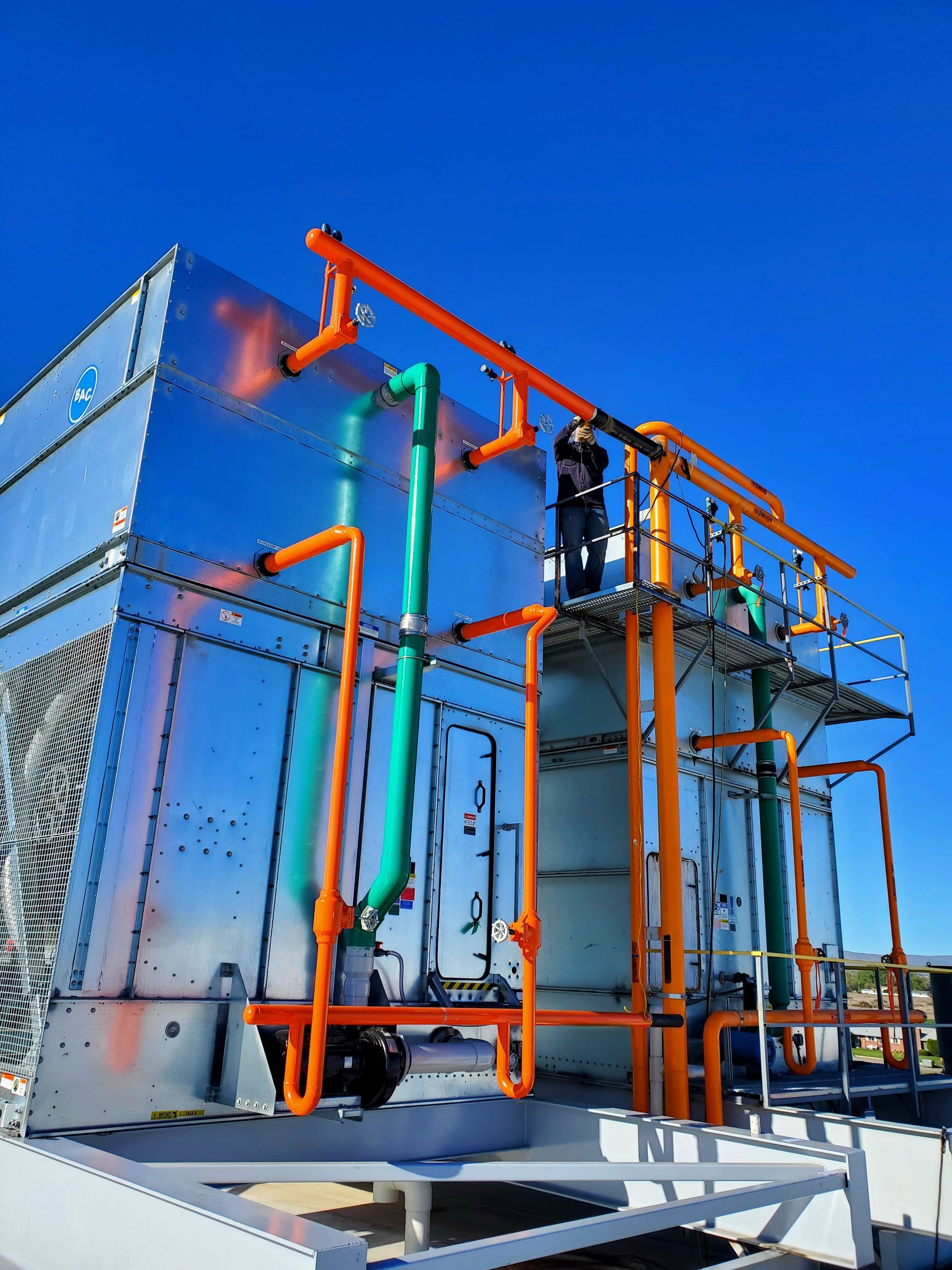
Cooling tower with orange pipes, green pipes, and silver panels against a blue sky.
By Kelly Martin January 6, 2026
As you look ahead to 2026, ask yourself: is your cold storage operation optimized for what’s coming? January is a clean slate—and the perfect time to assess your fruit storage systems, cold rooms, and freezers to ensure they’re ready for growth, compliance, and peak performance. At Doubl-Kold, we’re here to help you start the year right with proactive service, smart upgrades, and expert planning. Build Your Refrigeration Game Plan The new year is the ideal time to evaluate what worked—and what didn’t—in your refrigeration systems over the last 12 months. Are your cold rooms holding temperature efficiently? Are your energy bills climbing? Did you have any breakdowns that could’ve been prevented? Let Doubl-Kold help you answer those questions with a full system assessment to start the year with confidence. Don’t Let Refrigerant Rules Catch You Off Guard With AIM Act deadlines and Washington State refrigerant restrictions tightening, many facilities will need to transition to low-GWP alternatives in 2026. January is a great month to plan that change while operations are steadier. We’ll help you navigate refrigerant compliance without disrupting production—ensuring your facility is future-ready. Upgrade for Energy Savings in 2026 Want to cut costs this year? Start with your cold rooms and freezers. We offer high-efficiency components, smart controls, and performance upgrades that reduce your power consumption without sacrificing reliability. And with energy usage typically higher in winter, there’s no better time to make improvements that will pay off all year long. Set a Preventive Maintenance Schedule Now One of the smartest ways to start the year is by locking in your service schedule. Preventive maintenance reduces emergency calls, extends equipment life, and gives you peace of mind. We’ll work with you to build a quarterly or bi-annual maintenance plan that keeps your fruit storage, cold rooms, and freezers in top shape. Partner with the Experts Doubl-Kold isn’t just a service provider—we’re a partner in your year-round success. From agriculture and food processing to cold chain logistics, we serve the industries that depend on refrigeration done right. Start 2026 with smart planning, efficient systems, and a reliable service team. Contact Doubl-Kold today and let’s build your best refrigeration year yet.
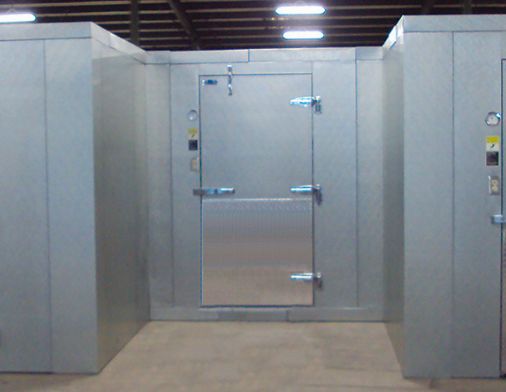
White refrigerated storage room with a large sliding door.
By Kelly Martin January 2, 2026
December is the month where many operations wind down, but your refrigeration systems don’t get a holiday. With fruit storage warehouses full and freezers working nonstop, it’s essential to make sure your industrial refrigeration systems are winter-ready. At Doubl-Kold, we help cold storage operators close out the year with confidence by offering expert service, inspections, and efficiency upgrades that protect your investment and prepare you for what’s next. Keep Fruit Storage Conditions Stable For Washington’s apple and pear industry, December marks the start of long-term storage. This means your cold rooms must deliver constant, reliable performance—day in and day out. Even the smallest temperature or humidity fluctuation can impact fruit quality and market value. Our systems are engineered for the exact demands of agricultural cold storage and backed by responsive service when you need it most. Avoid Winter Failures in Cold Rooms and Freezers Cold weather may cool the air outside, but it can actually expose weaknesses inside your refrigeration system. Cracked seals, underperforming insulation, or faulty defrost cycles can lead to unexpected failures or energy waste. December is the perfect time for a full performance check—before January’s deep freezes make repairs more difficult. Maintenance Now Means Fewer Surprises Later End-of-year maintenance isn’t just smart—it’s cost-effective. Our industrial refrigeration service technicians will inspect your systems for wear and tear, test your controls, and ensure refrigerant levels are balanced. We’ll also check for compliance with the latest refrigerant regulations so you’re not caught off guard in 2026. Take Advantage of Downtime If your operation slows during the holidays, use that time wisely. Schedule preventive service, consider a retrofit, or talk to our team about energy efficiency upgrades. Doubl-Kold can help you use December to prepare for a stronger, smoother year ahead.
Two people working on architectural blueprints, using a ruler and pencil, indoors.
By Kelly Martin December 27, 2025
As temperatures plunge in December, cold storage systems are pushed to maintain consistent conditions regardless of exterior weather. It’s easy to assume colder air means less strain on your systems—but in reality, this month reveals weak spots in insulation, equipment, and control systems. At Doubl-Kold, we help cold storage operators take full advantage of this season by focusing on reliability, energy efficiency, and regulatory readiness. Fruit Storage: The Long Game Starts Now December kicks off the longest stretch of static cold storage for the fruit industry. Apples and pears harvested in fall now sit for weeks or months, waiting for market timing. Without stable environmental controls, quality degrades fast. Doubl-Kold’s fruit storage systems are custom-designed for these long-term needs, balancing airflow, temperature, and humidity for optimal freshness all winter long. Cold Rooms & Freezers: Small Failures Become Big Costs One bad sensor or a faulty defrost cycle can mean big losses when temperatures are near freezing—and no one is around to notice. That’s why we strongly recommend a full system check in December. Our industrial refrigeration service includes inspecting evaporators, motors, refrigerant lines, and remote alarms to ensure nothing slips through the cracks. Weatherproofing for Industrial Cold Storage Freezing temps outside don’t always benefit the inside. Snow, ice buildup, and wind drafts can create performance problems around doors, fans, and seals. Doubl-Kold offers winterization assessments to help protect vulnerable equipment from the elements while reducing strain on your compressors and components. Energy Use Spikes in the Cold While your refrigeration systems are maintaining the same interior climate, cold weather can cause inefficiencies—especially in outdated systems. Our team evaluates energy usage and recommends upgrades to reduce cost while maintaining compliance with new energy and refrigerant standards. Remote Monitoring During Holiday Downtime If your team is rotating shifts or taking time off this month, it’s smart to install or upgrade to remote monitoring. Our control systems alert you instantly if temps fall out of range, power is interrupted, or systems fail—giving you the confidence to step away during the holidays. Finish the Year Strong December is the perfect time to look back and plan ahead. What worked this year? What needs attention? Let Doubl-Kold help you end the year with confidence—and start the next one with momentum. Whether it’s service, retrofits, or system redesign, we’re ready to help you build a smarter, stronger refrigeration strategy. Call us today to schedule your year-end cold storage check-up. We’ll help you close out the year with safe, stable systems and peace of mind.