Why Industrial Refrigeration Experience Matters When Choosing PSM Assistance

When a facility searches online for PSM assistance, there are plenty of companies willing to help with compliance documentation. But industrial refrigeration operators should consider another question before choosing a provider: How well does that company actually understand my refrigeration system?


For ammonia facilities, Process Safety Management involves real equipment—not just forms. Compressors, condensers, pressure vessels, evaporators, pumps, valves, piping, sensors, alarms and controls all play a part in the process.


A Process Hazard Analysis (PHA) requires people to evaluate what could go wrong within that process. Mechanical Integrity requires facilities to maintain the ongoing integrity of critical process equipment. Management of Change addresses modifications to covered processes. Process Safety Information must accurately document the equipment.

Those requirements quickly move beyond paperwork and into engineering.


Doubl-Kold's staff includes industrial refrigeration technicians, software developers and professional engineers specializing in areas including anhydrous ammonia, electrical controls, panel change-outs, compressor rebuilds, startups and pumps. Our in-house engineering services include PSM, system design and facility evaluations.


That combination allows Doubl-Kold to approach PSM compliance and ammonia refrigeration from the perspective of people who understand what happens in the engine room—not simply what belongs in the compliance binder.


Experience can matter financially as well. A recommendation made without understanding the refrigeration system can potentially result in unnecessary work. The right engineering solution should address the actual problem while considering safety, compliance, reliability and cost.


That's also why Doubl-Kold's value proposition isn't based solely on being the lowest-cost option. It's about providing experienced technical assistance at competitive pricing. When customers can access experienced refrigeration professionals and licensed engineering support without the overhead associated with some larger compliance firms, the potential savings can be significant.


The same philosophy applies whether a facility needs PHA assistance, Mechanical Integrity support, P&ID updates, system design, facility evaluation, refrigeration service or help understanding its broader PSM responsibilities.


Industrial refrigeration has always been a field where experience counts. Sophisticated software and impressive binders have their place, but at some point somebody still needs to understand the piping, the compressor and the ammonia—which is where decades of hands-on knowledge earn their keep.


If your facility is comparing PSM consulting and ammonia refrigeration compliance assistance, give Doubl-Kold a call. Talk with our team about your system, your compliance needs and how we may be able to provide an experienced, cost-effective solution.
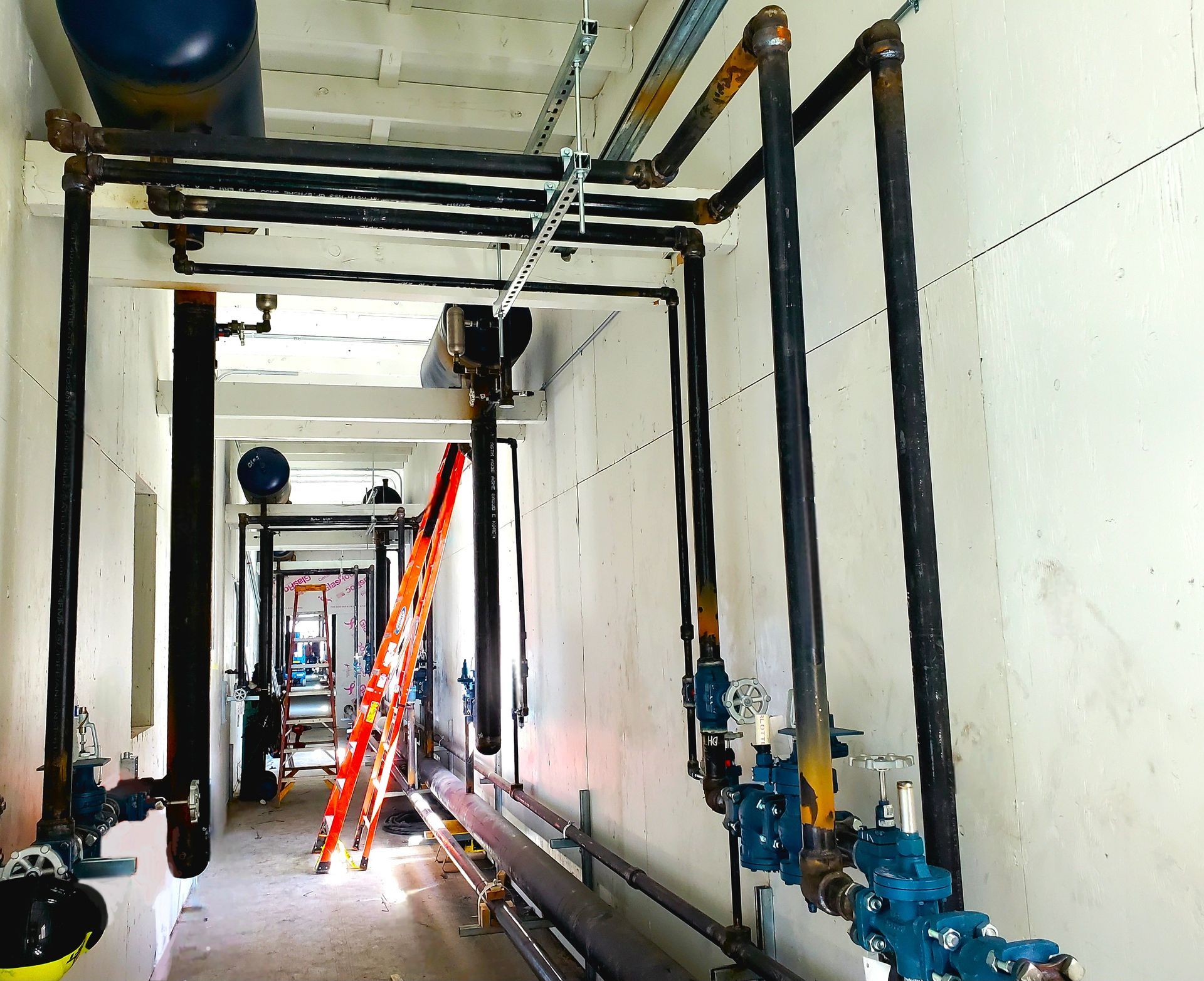
Narrow industrial corridor with exposed pipes, blue valves, and an orange ladder under construction to the left.
By Kelly Martin August 7, 2026
It's easy to say that safety is a priority. The more important question for an industrial refrigeration facility is: what does that look like in practice?  For an ammonia refrigeration operation, safety involves much more than responding correctly when something goes wrong. It begins with understanding the refrigeration system, maintaining equipment, documenting procedures, training employees, evaluating hazards, and managing changes before they create new risks. That's the thinking behind Process Safety Management (PSM) . OSHA's PSM framework connects Process Safety Information, PHA, operating procedures, training, Mechanical Integrity, Management of Change, incident investigation, emergency planning and other elements into a broader safety program. Consider Mechanical Integrity alone. An ammonia refrigeration facility may have pressure vessels, piping and valves, relief systems, emergency shutdown equipment, controls, alarms, interlocks and pumps. Each can play a role in maintaining safe operation. Operating procedures matter too. OSHA references IIAR standards addressing operating procedures for closed-circuit ammonia mechanical refrigeration systems, along with standards covering inspection, testing, maintenance, installation, commissioning and existing-system safety. Then there is emergency preparedness. Doubl-Kold's own 24-Hour Technician course covers topics including NH3, health effects, release response, OSHA emergency response requirements, PPE, incident command, shelter-in-place, EPA RMP, Tier II reporting and PSM. That breadth illustrates just how many areas can intersect at an ammonia refrigeration facility. A strong safety program also needs to reflect the actual facility. Generic paperwork has limited value if employees can't use it or if the documents don't match the equipment in front of them. Doubl-Kold combines industrial refrigeration service with engineering, controls, system design, PSM and integrity-check capabilities. Our team includes industrial refrigeration technicians, software developers and professional engineers who specialize in areas including anhydrous ammonia. That means we can look at a refrigeration challenge from more than one angle. Sometimes the answer is maintenance. Sometimes it's documentation. Sometimes it's controls or an engineering solution. The important thing is identifying what the system actually needs. If you're looking for ammonia refrigeration PSM assistance from a company that understands the equipment as well as the compliance side, give Doubl-Kold a call . We'll help you take a practical look at your facility and where improvements may be needed.
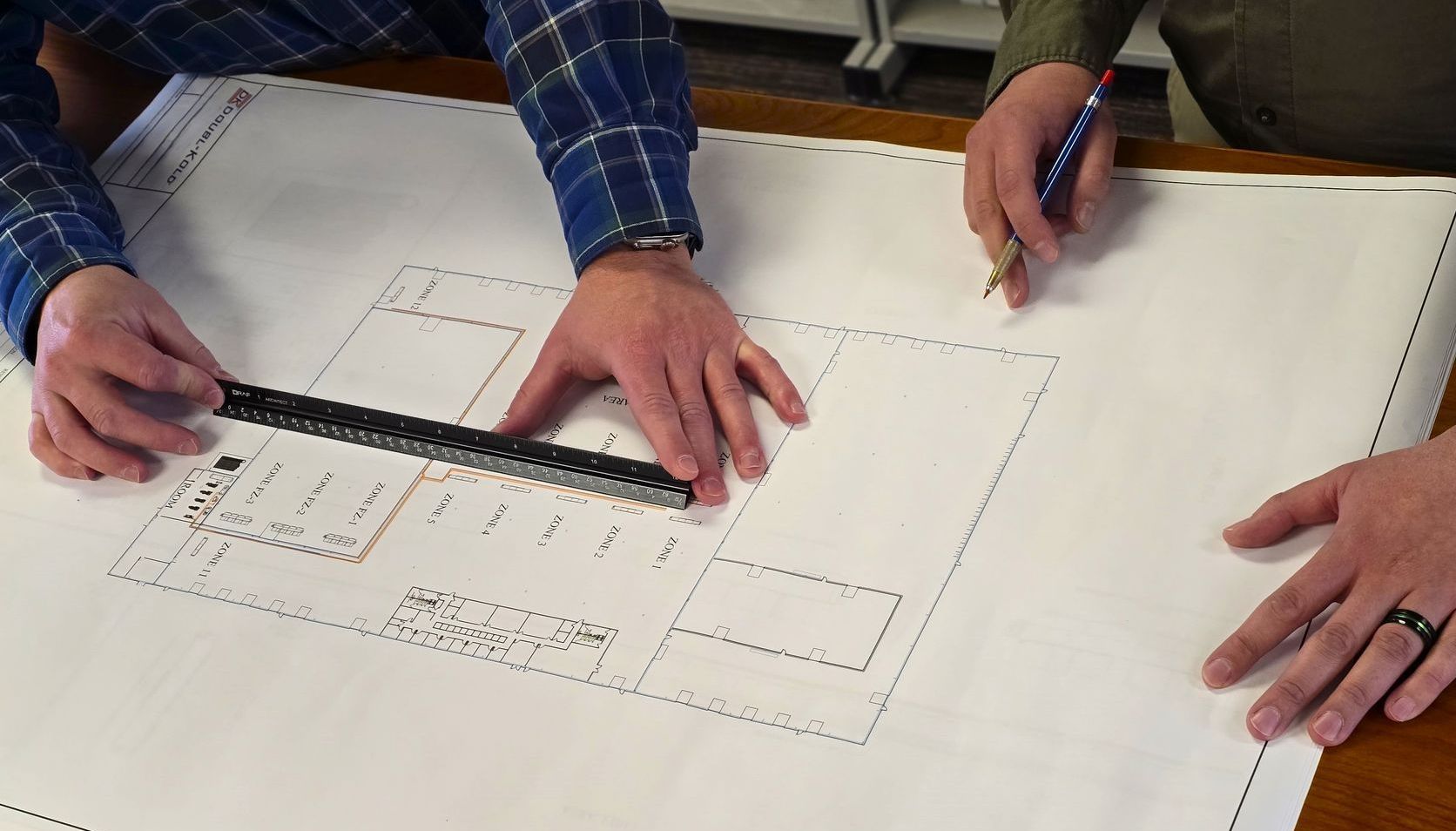
Hands measuring a paper floor plan with a ruler on a table.
By Kelly Martin July 28, 2026
PSM and RMP are two acronyms that come up frequently around industrial ammonia refrigeration. They are related, but they aren't interchangeable. Understanding where OSHA's Process Safety Management (PSM) and EPA's Risk Management Program (RMP) fit into your operation is an important first step toward managing compliance.  PSM is administered by OSHA and focuses heavily on preventing or minimizing catastrophic releases involving highly hazardous chemicals in the workplace. For covered ammonia refrigeration processes, the program includes interconnected elements such as Process Safety Information, Process Hazard Analysis, operating procedures, training, Mechanical Integrity and Management of Change. RMP is administered by the EPA and addresses accidental chemical releases and risk management. Depending on a facility and its regulated processes, RMP requirements can overlap substantially with work already being done as part of PSM. For facility managers, that overlap can become confusing. A refrigeration system isn't concerned about which acronym is printed at the top of a form. The equipment, employees, operating procedures, hazards and maintenance practices all exist together. That's why good PSM assistance and RMP assistance should begin with understanding the actual ammonia refrigeration facility. What equipment is installed? Are the P&IDs accurate? Are operating procedures current? Is Mechanical Integrity being documented? Have changes to the system been properly managed? This is also why engineering experience matters. Doubl-Kold's staff includes professional engineers and industrial refrigeration technicians specializing in areas such as anhydrous ammonia, controls, compressor rebuilds, startups and pumps. Our in-house engineering capabilities include PSM, system design and facility evaluations. The goal shouldn't be to generate paperwork simply because paperwork is required. A good compliance program should support safer operations and give the people responsible for the facility useful information about their system. EPA continues to provide specific compliance and safety resources for the ammonia refrigeration sector, making this an area facilities should continue paying attention to rather than assuming last year's program is automatically sufficient this year. If you're trying to sort through PSM, RMP, ammonia refrigeration compliance, Mechanical Integrity or engineering requirements , you don't have to figure it out alone. Give Doubl-Kold a call and let our experienced team help you determine the right path for your facility.
Industrial machinery with colorful pipes and metal tanks on a raised platform under a clear blue sky
By Kelly Martin July 9, 2026
Five years sounds like plenty of time—until someone realizes the facility's Process Hazard Analysis (PHA) is coming due. For businesses operating PSM-covered ammonia refrigeration systems, PHA isn't a one-time exercise. Keeping it current is an important part of maintaining a strong Process Safety Management program.  A PHA is designed to systematically identify, evaluate, and address hazards associated with a covered process. For an ammonia refrigeration system, that means looking beyond individual pieces of equipment and considering how the complete system operates and what could happen when something doesn't go as planned. OSHA's ammonia refrigeration guidance discusses PHA methodology, team selection, documentation, recommendations, follow-up, and PHA revalidation. It also identifies areas such as compressors, condensers, pressure vessels, evaporators, piping and valves, pumps, instrumentation and controls, system startup and shutdown, emergency situations, human factors, facility siting, and previous incidents. That breadth is exactly why a PHA benefits from people who understand industrial refrigeration. Asking questions is only half the job. The PHA team needs to understand the answers and recognize how equipment, controls, operating practices, and human factors interact. Accurate Process Safety Information and P&IDs are also important going into a PHA. If your documentation doesn't represent the actual ammonia refrigeration system, the team may be evaluating an incomplete picture. Then comes the part that can be overlooked: addressing the findings. A PHA isn't successful simply because the meeting occurred. Recommendations need to be documented and properly followed through. Doubl-Kold brings refrigeration and engineering experience together when helping customers with PSM assistance. Our in-house engineering capabilities include PSM, system design, facility evaluations, drafting, and required integrity checks, supported by industrial refrigeration technicians and professional engineers. That combination matters. Compliance decisions can have real engineering and financial consequences. Having knowledgeable refrigeration professionals involved can help facilities identify practical solutions rather than automatically choosing the most expensive answer. If your five-year PHA revalidation is approaching—or you're uncertain when your program was last thoroughly reviewed—don't wait until the deadline is staring back at you. Give Doubl-Kold a call and talk with our team about your PHA and PSM needs.
Stainless steel walk-in freezer door between metal wall panels in an industrial room
By Kelly Martin June 25, 2026
When people hear Mechanical Integrity , they sometimes picture an inspector walking through a refrigeration facility with a clipboard. Inspection is certainly part of the process, but an effective Mechanical Integrity program goes much further. For ammonia refrigeration facilities covered by Process Safety Management (PSM) , Mechanical Integrity addresses the ongoing condition of critical process equipment. OSHA identifies pressure vessels and tanks, piping systems and valves, relief and vent systems, emergency shutdown systems, controls, sensors, alarms, interlocks, and pumps among the equipment covered by Mechanical Integrity requirements. An effective MI program also requires written procedures for maintaining equipment integrity. Employees performing maintenance need appropriate training, and process equipment must be inspected and tested using procedures consistent with recognized and generally accepted good engineering practices. That's why industrial refrigeration experience matters. A Mechanical Integrity program shouldn't exist separately from the refrigeration system itself. Inspection results need to mean something, and deficiencies need to be understood in the context of how the equipment actually operates. Corrosion is a particularly important consideration in ammonia refrigeration. OSHA specifically recommends routinely inspecting receiving and storage vessels for corrosion as part of a Mechanical Integrity program. System conditions can also contribute to stress corrosion cracking, making proper inspection and maintenance an important part of long-term refrigeration safety. Mechanical Integrity also connects to other pieces of PSM. An equipment deficiency might lead to maintenance or an engineering solution. A system modification could require Management of Change. Updated equipment may require documentation changes. Findings can also affect future Process Hazard Analysis discussions. This interconnected approach is where Doubl-Kold can provide valuable PSM assistance . Our capabilities include PSM and integrity checks, industrial refrigeration service, system design, drafting, facility evaluations, controls, and in-house engineering. Rather than approaching Mechanical Integrity as another compliance checkbox, facilities can use it as an opportunity to better understand their refrigeration equipment and identify issues before they become larger problems. Good maintenance and accurate information are considerably easier to deal with than an unexpected ammonia refrigeration problem.  If you're unsure about the condition of your Mechanical Integrity program—or simply want experienced eyes on your industrial refrigeration system— give Doubl-Kold a call . Our team can help you determine what your facility needs and develop practical next steps.
Pile of silver metal screws scattered on a surface
By Kelly Martin June 5, 2026
An industrial ammonia refrigeration system rarely stays exactly the same throughout its life. Equipment gets replaced, controls are upgraded, piping changes are made, and operating procedures evolve. The question is whether your Process Safety Management (PSM) documentation is changing along with it.  For facilities covered by OSHA's PSM requirements, accurate process safety information is an important part of the overall program. Piping, equipment, controls, operating procedures, and other information need to reflect the system employees are actually operating. A document sitting in a binder doesn't provide much protection if it describes a refrigeration system that existed five years ago. One important piece of that documentation is the Piping and Instrumentation Diagram (P&ID). P&IDs help document how equipment, piping, valves, instrumentation, and controls relate to one another. They also provide important information when conducting a Process Hazard Analysis (PHA), reviewing system changes, performing maintenance, and evaluating refrigeration equipment. Operating procedures are another critical piece of the puzzle. OSHA's PSM framework includes operating procedures and employee training alongside Process Safety Information, PHA, Mechanical Integrity, Management of Change, incident investigation, and compliance audits. In other words, effective PSM is a connected system—not a collection of unrelated documents. Management of Change (MOC) becomes particularly important when a facility modifies its ammonia refrigeration system. OSHA requires MOC procedures for covered changes other than replacement-in-kind. Documentation surrounding the equipment must also remain current as changes occur. Summer can be a useful time to ask some simple questions. Do your P&IDs match what's actually installed? Do your operating procedures reflect the way employees currently operate the system? Have equipment changes been properly documented? Are previous PHA recommendations accounted for? This is where having people who understand both industrial refrigeration and PSM compliance can make a significant difference. Doubl-Kold's capabilities include PSM and required integrity checks, system design, facility evaluations, drafting, refrigeration installation and service, and in-house engineering. Doubl-Kold's team includes industrial refrigeration technicians and professional engineers specializing in critical areas including anhydrous ammonia. Instead of looking at compliance separately from the refrigeration equipment, we can look at the system as a whole and help determine practical engineering solutions. Good PSM documentation should make your facility safer and easier to manage. If your documentation hasn't kept pace with your ammonia refrigeration system, give Doubl-Kold a call and talk with our team about your PSM assistance needs.
Blue industrial structure with orange piping and platforms in an outdoor rural setting
By Kelly Martin May 22, 2026
When it comes to industrial refrigeration and PSM compliance, many facilities operate under a dangerous assumption: “If we haven’t had a problem yet, we must be okay.” Unfortunately, that mindset can become extremely expensive. At Doubl-Kold, we regularly work with facilities that believed their compliance programs were “good enough” — until they faced an OSHA inspection, equipment issue, or emergency repair situation. The reality is that refrigeration compliance is constantly evolving. Regulations surrounding Process Safety Management (PSM), Risk Management Programs (RMP), and ammonia refrigeration systems continue to tighten, especially as agencies place greater emphasis on prevention and documentation. What worked five years ago may not be enough today. One of the biggest areas where facilities fall behind is documentation. We often see outdated PNIDs, incomplete operating procedures, or missing Mechanical Integrity records that no longer reflect the current refrigeration system. Even facilities under 10,000 pounds of ammonia can still face liability under OSHA’s General Duty Clause if hazards are not properly managed. This is why “minimum compliance” can become costly compliance. At Doubl-Kold, we take a different approach. Instead of overwhelming facilities with unnecessary reports or expensive overengineering, we focus on practical solutions built around your actual operation. Our team helps businesses improve: Mechanical Integrity programs Process Hazard Analysis (PHA) SOP and maintenance procedures Corrosion inspection planning Tier II reporting Refrigeration system documentation Because our team includes both refrigeration experts and licensed engineers, we’re able to identify efficient solutions that many compliance-only firms overlook. That often translates into major cost savings. We’ve seen facilities spend tens of thousands of dollars correcting issues that could have been addressed much earlier through proper planning and experienced guidance. And unlike firms that simply provide templates, we build compliance programs around real operational needs. That’s important because refrigeration systems are not identical. Every facility has unique demands, equipment layouts, and risk factors. With over 80 years of combined experience , Doubl-Kold understands how to balance safety, compliance, efficiency, and budget—all at the same time. The truth is, “good enough” compliance usually isn’t good enough for long. If you want a smarter approach to refrigeration compliance and PSM support, give Doubl-Kold a call. We’re here to help your facility stay safe, efficient, and prepared for whatever comes next.
Blue industrial pipe valve assembly on a metal frame in a workshop or factory setting
By Kelly Martin May 10, 2026
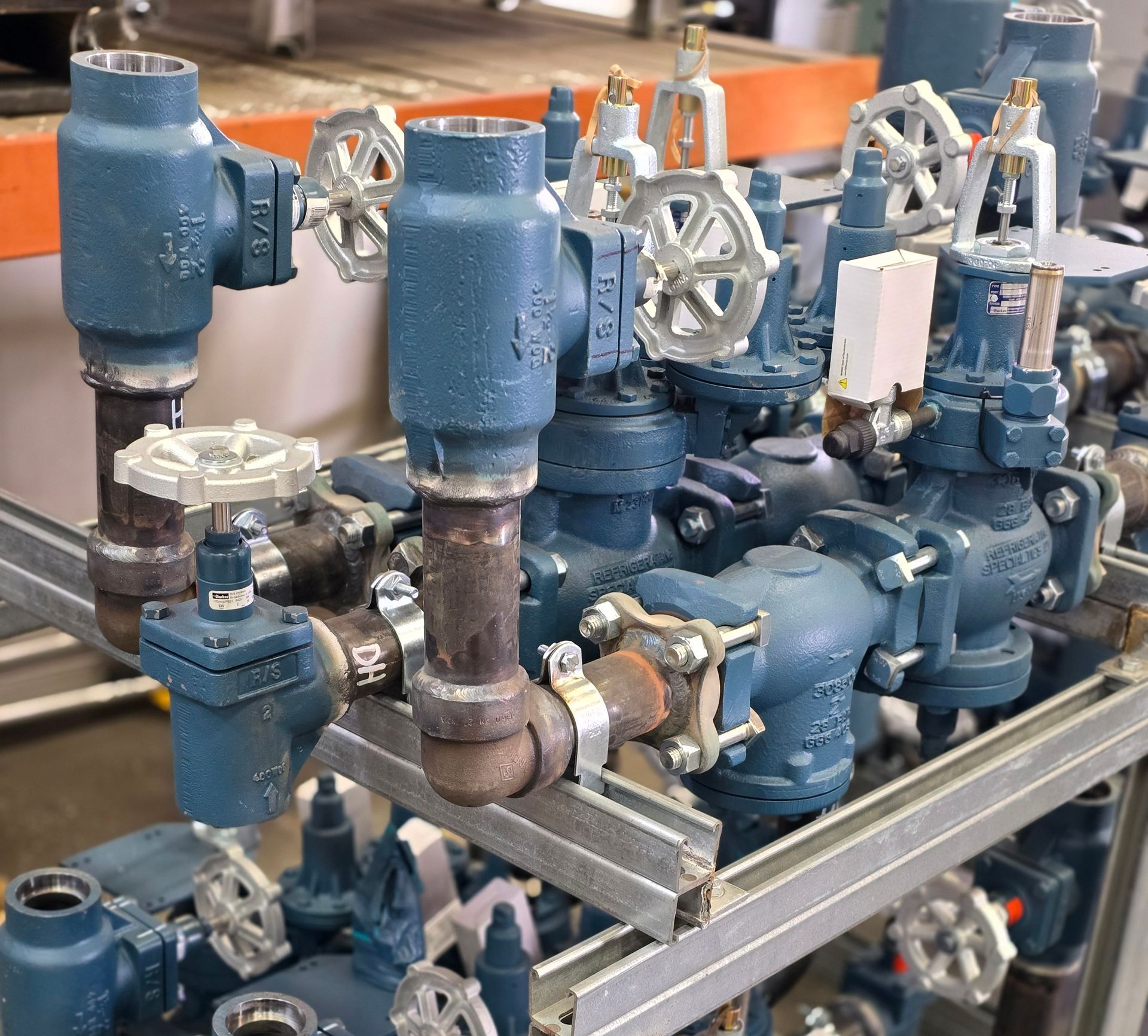
As temperatures rise and facilities begin preparing for the busy summer season, May is one of the best times of year to evaluate your refrigeration systems and overall compliance strategy. At Doubl-Kold, we often tell clients that spring is the perfect window to get ahead of problems before peak operational demands arrive. For facilities using ammonia refrigeration systems , this is especially important. Increased summer workloads can expose weaknesses in equipment, documentation, and maintenance programs that may have gone unnoticed during colder months. That’s why May is an ideal time to review your Process Safety Management (PSM) program. A strong PSM program is built around prevention. It helps facilities identify risks before they turn into costly downtime, safety incidents, or regulatory violations. But many businesses only think about compliance when an audit or inspection is approaching. At Doubl-Kold, we help clients take a more proactive approach. Our team assists with: Process Hazard Analysis (PHA) Mechanical Integrity (MI) reviews Piping and Instrumentation Diagrams (PNID) Standard operating procedures (SLP/MIP) Corrosion inspections Tier II assistance RMP support through the EPA One area we encourage facilities to focus on in May is Mechanical Integrity . Winter weather and seasonal demand shifts can put additional stress on refrigeration equipment. Spring inspections help identify wear, corrosion, or maintenance gaps before summer temperatures increase system load. Another important area is documentation. Over time, refrigeration systems evolve through repairs, modifications, and operational changes. However, many facilities fail to update their procedures and diagrams to match those changes. Outdated documentation is one of the most common compliance issues we encounter. What makes Doubl-Kold different is our practical experience. Our team includes licensed engineers and refrigeration experts with over 80 years of combined experience . We understand how these systems actually operate—not just how they appear on paper. That experience allows us to create compliance strategies that are realistic, efficient, and often more cost-effective than larger national firms. In many cases, we help facilities identify unnecessary spending while improving compliance and operational safety at the same time. May is about preparation. The facilities that address issues now are the ones that avoid emergencies later.  If your refrigeration system or PSM program hasn’t been reviewed recently, give Doubl-Kold a call. We’ll help you head into summer with confidence.
Industrial pipes and valves mounted on a wall, with bright orange, blue, and yellow piping.
By Kelly Martin April 18, 2026
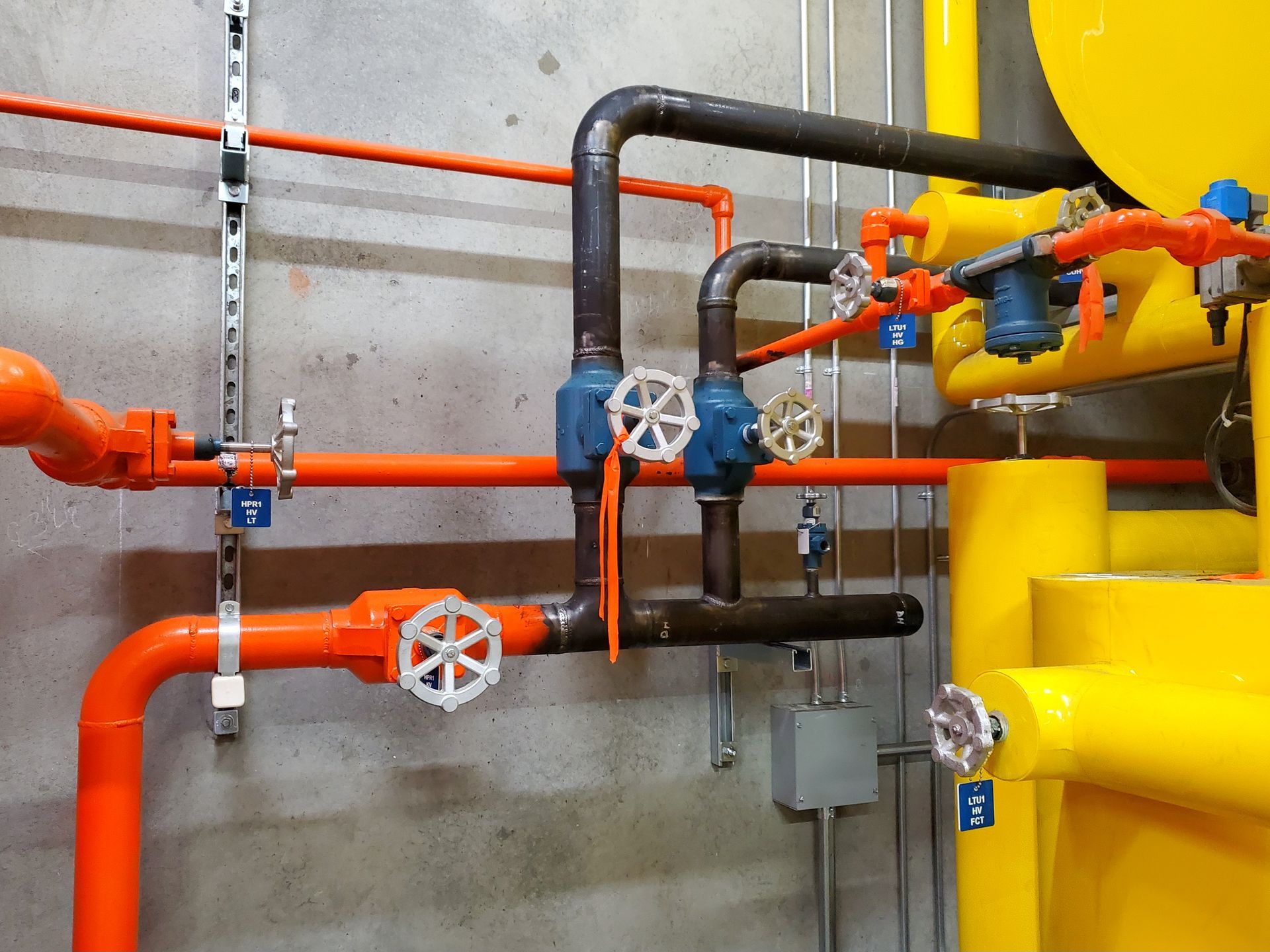
As we move further into 2026, compliance expectations for industrial refrigeration systems are continuing to evolve. Between OSHA’s Process Safety Management (PSM) and the EPA’s Risk Management Program (RMP), facilities must stay ahead of changing requirements—or risk falling behind. PSM focuses on system safety and prevention, while RMP focuses on risk impact and emergency preparedness. Together, they create a comprehensive compliance framework. Facilities must maintain: Updated PNIDs Current PHAs Mechanical Integrity programs SOP/SLP/MIP documentation Training records Emergency response plans On top of that, Tier II reporting and other regulatory requirements continue to expand. The challenge isn’t just knowing what’s required—it’s managing it efficiently. That’s where Doubl-Kold provides real value. With licensed engineers and over 80 years of combined experience, we help facilities navigate compliance without overcomplicating the process. We streamline documentation, align programs with actual system operation, and identify areas where costs can be reduced. In many cases, our clients find they’re able to improve compliance while spending less than they would with larger competitors. Compliance isn’t going away—but it doesn’t have to be overwhelming. If you want a smarter, more efficient approach to PSM and RMP in 2026, give us a call.
Pile of shiny metal clips with screws, stacked closely together
By Kelly Martin April 5, 2026
When it comes to PSM compliance, Mechanical Integrity (MI) is one of the most overlooked—and most critical—components. It’s also where many facilities get into trouble. Mechanical Integrity ensures that your refrigeration system is physically capable of operating safely. This includes inspections, maintenance procedures, and documentation. One of the biggest risks? Corrosion. Corrosion can weaken piping, valves, and vessels over time—often without obvious signs until it’s too late. That’s why regular inspections, including 5-year MI reviews, are essential. At Doubl-Kold, we help facilities implement real MI programs—not just paperwork. We focus on: Corrosion inspection Equipment testing Maintenance tracking Documentation compliance We also ensure your MI program aligns with your PNIDs, PHA, and overall PSM framework. Too often, companies treat MI as a box to check. We treat it as a system that protects your operation. And because we understand system design and operation, we help you avoid unnecessary replacements—saving money while improving safety. If your Mechanical Integrity program hasn’t been reviewed recently, now is the time. Give us a call and let’s take a closer look before small issues become major problems.
A industrial view of yellow and orange pipes, valves, and metal fittings against a grey wall.
By Kelly Martin March 25, 2026
If there’s one part of Process Safety Management (PSM) you can’t afford to get wrong, it’s your Process Hazard Analysis (PHA). A PHA is designed to identify potential hazards in your system before they become incidents. But too often, facilities treat it like a checklist instead of a critical evaluation. A proper PHA should examine: System design Operating conditions Failure scenarios Human factors Maintenance procedures This isn’t something that should be templated or rushed. At Doubl-Kold, we approach PHA with real-world expertise. Our team understands how refrigeration systems operate—not just how they look on paper. That means we identify risks others might miss—and avoid recommending unnecessary changes that drive up costs. PHAs must also be updated every five years, making them closely tied to your Mechanical Integrity (MI) program. If your PHA is outdated, incomplete, or generic, it can put your entire PSM program at risk. We also ensure PHAs align with: RMP requirements General Duty Clause expectations Actual facility operations The goal isn’t just compliance—it’s protection. If your PHA hasn’t been reviewed recently, now is the time. Give Doubl-Kold a call and let’s make sure your system is evaluated the right way.